Press releases year 3 (2025 – 2026)
TASC kick-on Bruges – April 29 2026
Teacher Academy Sustainable Communication hosts Kick-on Conference in Bruges
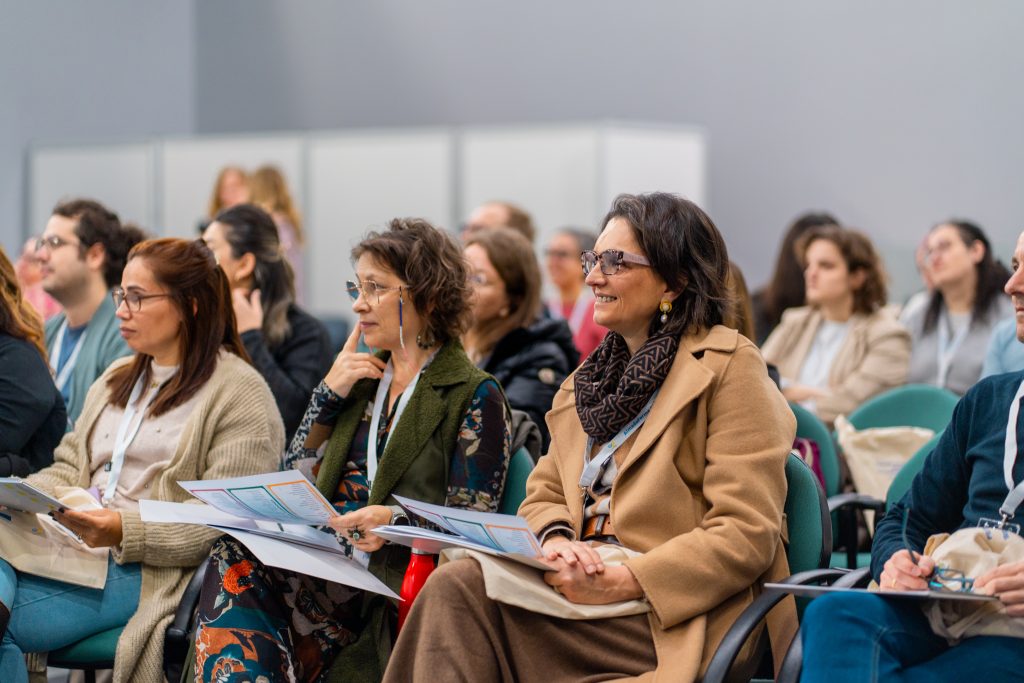
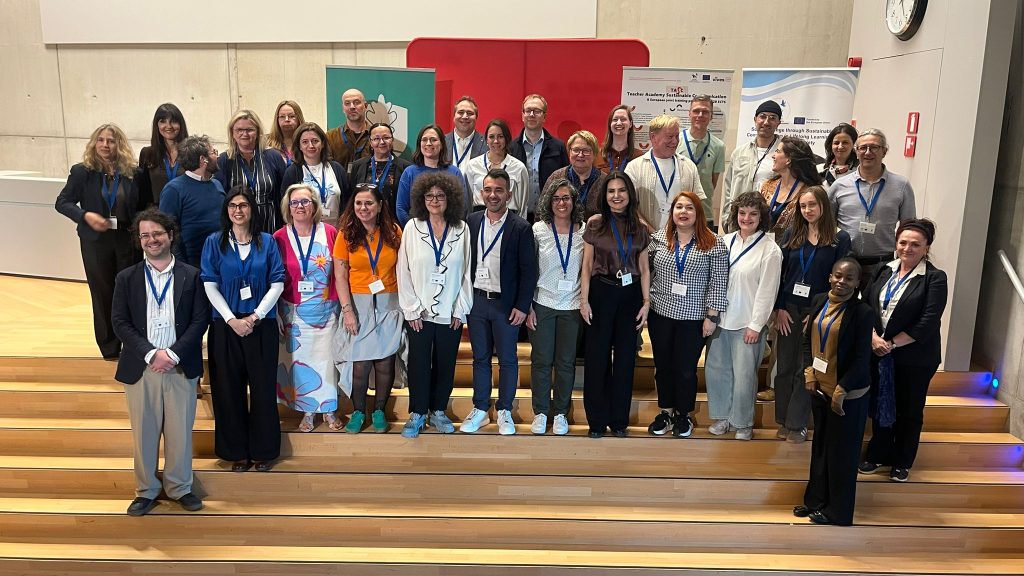
Bruges, 29 April 2026 – On Wednesday, April 29th 2026, VIVES University of Applied Sciences in Bruges will host the European Kick-on Conference of the Erasmus+ project TASC (Teacher Academy Sustainable Communication). At this concluding event, the consortium will present the results of three years of development and piloting of a 20 ECTS European training program focused on sustainable communication. The event brings together teacher trainers, providers of continuous professional development, teachers, policymakers, and educational organizations from across Europe to address one central question: how can sustainable communication contribute to social change within education and society?
From Project to Sustainable Impact
TASC is a European collaboration of a consortium of 12 partners from 7 countries. Within the project, a unique 20 ECTS European training program was developed around sustainable communication, comprised of three EU micro-credentials. The program empowers teachers with the skills to prevent violence, discrimination, exclusion, and polarization in schools, while embedding sustainable communication within the educational framework.
The Kick-on Conference marks the transition from the project and testing phase to long-term implementation. During the event, the training program, policy recommendations, and key project results will be officially presented to a broad international audience, including ministries, educational networks, regional authorities, teacher training institutions, school boards, and educators.
Strong European Voices
The conference will open with contributions from, among others:
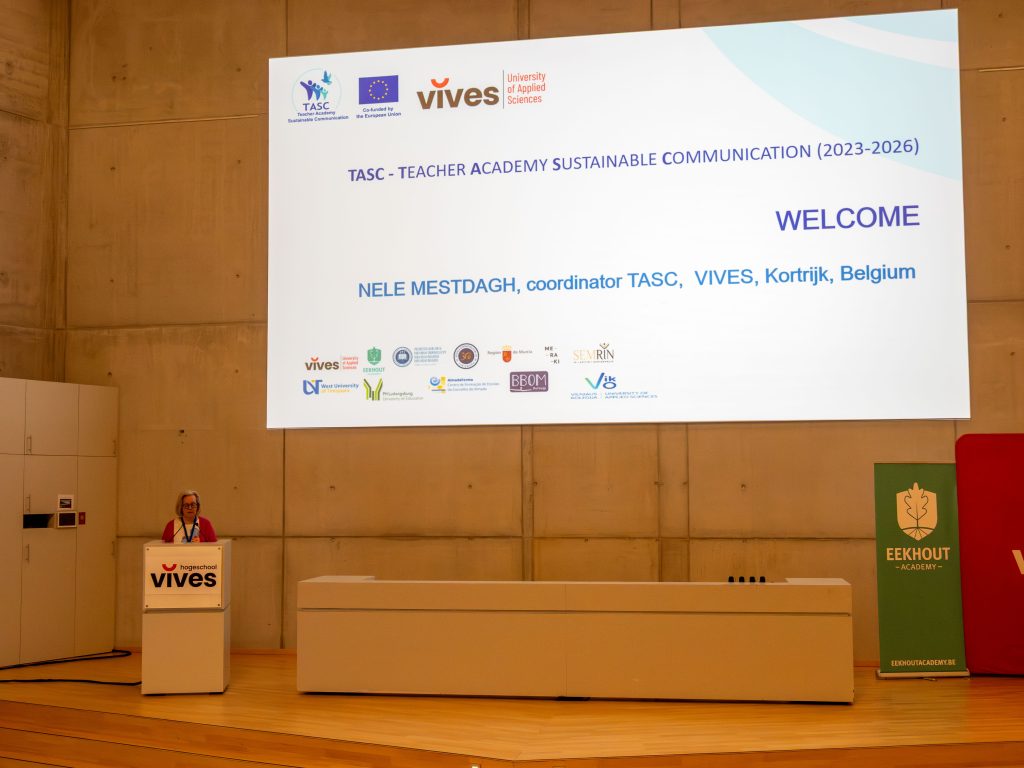
- Nele Mestdagh, Project Coordinator (VIVES Teacher Training Department)
- Ljubica Petrovic Baronica, Coordinator of Teacher Academies at the European Commission
- Dirk Kerckhoven, Policy Advisor at Katholiek Onderwijs (Catholic Education) Flanders
- Daniel Andromache, International Education Coordinator at Babeș-Bolyai University (Romania)
These speakers will position sustainable communication within both European and Flemish policy frameworks, demonstrating how Teacher Academies can contribute to high-quality, inclusive, and future-oriented teacher education.
Interactive Workshops and Practical Examples
Participants can choose from four workshop rounds facilitated by TASC partners. Some sessions will focus on the development and implementation of the Teacher Academy program, while others will delve into the five core modules of sustainable communication: human rights, European values and identity, non-discrimination and equality, self-awareness, and dialogue.
In addition to the exchange of expertise, the program offers ample opportunities for networking and cultural engagement, including a guided evening walk through the historic center of Bruges and a concluding networking reception.
Lasting Value for Education and Policy
Through TASC, the consortium aims to anchor sustainable communication as a transversal core competence in teacher training and professional development initiatives, in line with the objectives of the European Education Area. The project contributes to the development of resilient and engaged teachers who—beyond their subject matter expertise—possess the communication skills necessary to thrive in a diverse professional environment.

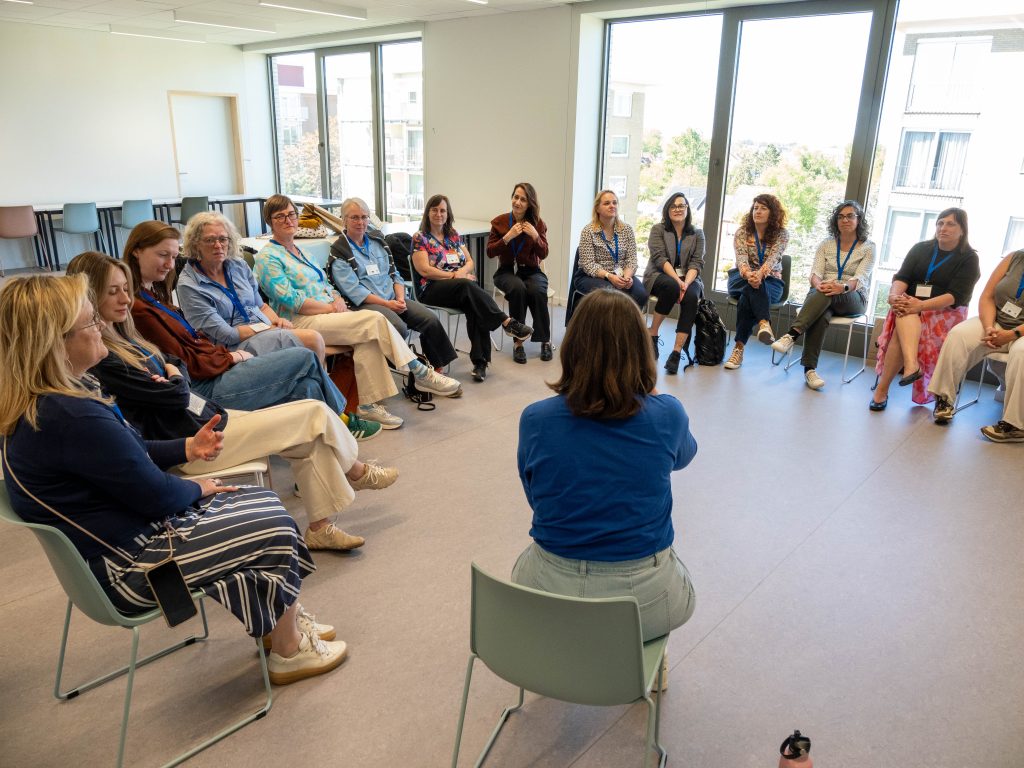
TASC’s final piloting: A Week of Training, Growth, and Creativity in Izmir, Turkey
From 9 to 13 March 2026, the TASC project consortium and all the members of the Communities of Practice travelled to Izmir, Türkiye, for the piloting of Grade C. This marks a significant milestone within the project. For the first time, the participants from the Communities of Practice came together to follow an entire grade. The teachers completed the full Grade C training programme, guided by members of the consortium. Also the assessment was part of the training week.
Face‑to‑Face interaction
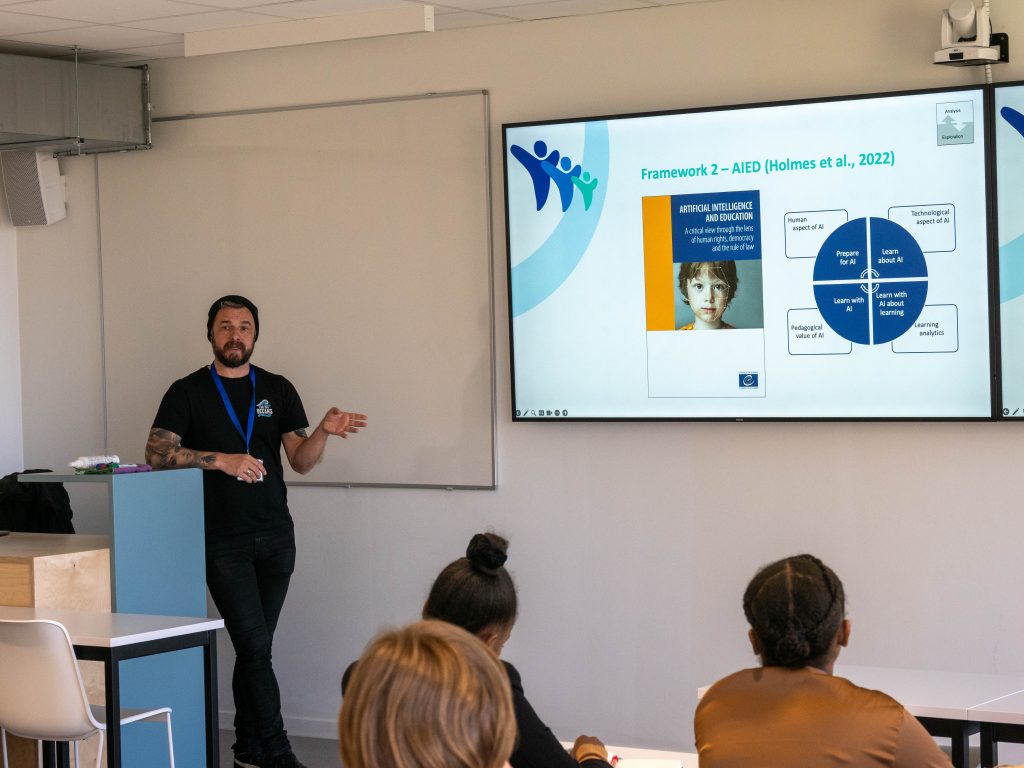
The week in Izmir was truly exceptional because the entire Grade C programme was delivered on site. This marked the first time that the full training was organised face‑to‑face in one intensive week. Participants took part in a wide range of training sessions focusing on Sustainable Communication, professional development, and the TASC methodology.
Circles and Meaningful Growth
Throughout the week, several circle sessions created space for reflection, dialogue, and feedback. Participants actively shared insights on sustainable communication practices and reflected on their personal and professional growth. Many were able to articulate their development within the TASC project in a powerful and authentic way, making these circle moments especially meaningful.
A Creative Graduation Ceremony
The programme (training and assessment) concluded with a festive graduation ceremony. Each of the three Communities of Practice presented a creative reflection on their TASC journey:
- one group offered a musical performance,
- another shared a visual story,
- while others presented artistic interpretations of their learning process.
These creative contributions formed a warm and inspiring conclusion to an intensive week and highlighted the strong sense of connection within the international TASC community.
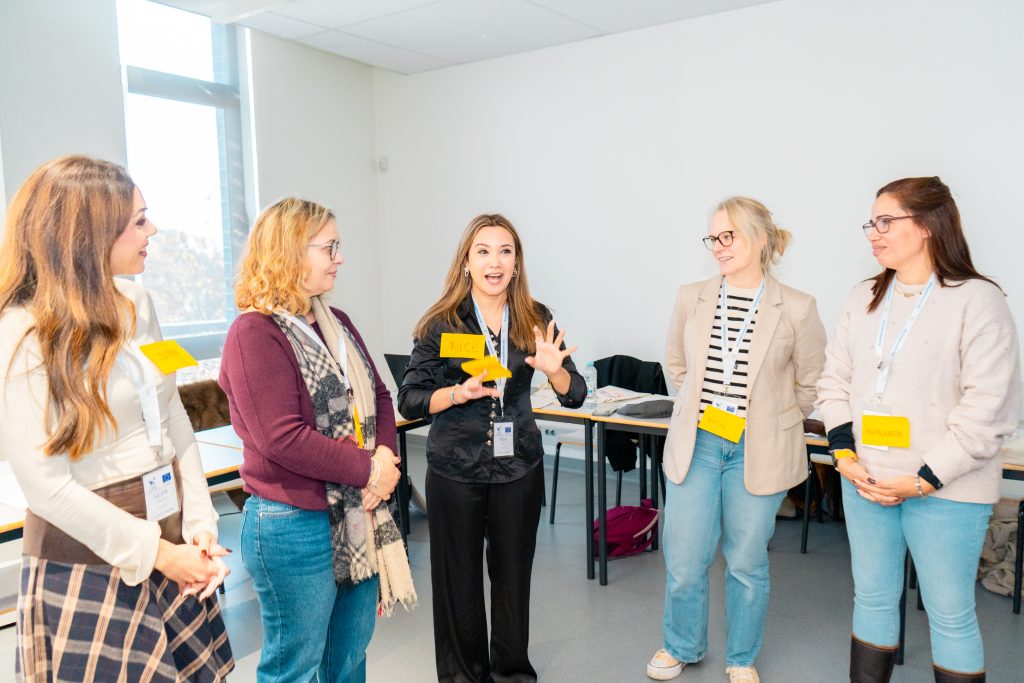
Final Face‑to‑Face Piloting Moment
The week in Izmir also marked the final face‑to‑face piloting within the TASC project. As such, it represented an important milestone towards the completion of the project and the broader dissemination of its outcomes across Europe. The last gettogether is planned for April 29th with a last kick-on day in Bruges, Belgium.
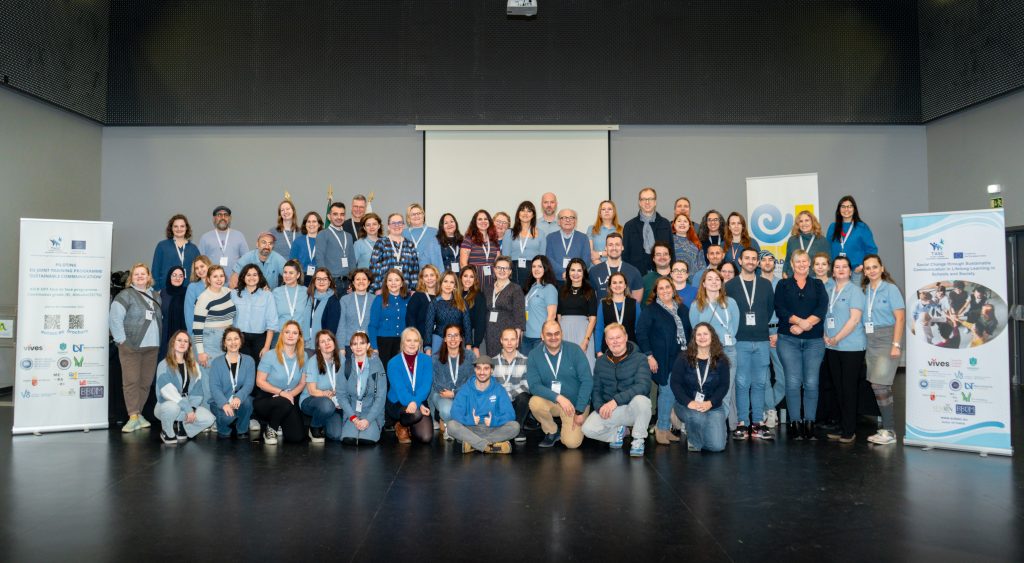
TASC International piloting of Face to Face grade B – Lisbon, Portugal
Training Week Lisbon in Lisbon Marks the Culmination of Grade B
At the beginning of December, Lisbon hosted an intensive international training week, bringing together trainees from across Europe for the final phase of Grade B in the TASC (Teacher Academy Sustainable Communication) programme. This face-to-face event represents the closing chapter of a virtual and blended learning journey that has combined European virtual sessions, personal virtual activities trained in the own school environment of the trainer, national-level activities, and collaborative exercises over the months October and November.
The Lisbon piloting week will focus on deepening skills, attitudes, values and knowledge on nonviolent, restorative and intercultural communication, cooperation and awareness across the five core modules: Human Rights and Values, EU Values and Identity, Non-discrimination and equity, Understanding ourselves and others and dialogue. Participants will engage in interactive workshops, group assignments, and train skills designed to consolidate learning and foster cross-border collaboration. Beyond the formal training, the event emphasizes communication, connection and community, offering opportunities for participants to meet in person, share experiences, and celebrate their progress.
This international gathering follows earlier national face-to-face sessions, where trainers within the same Community of Practice worked together to strengthen local implementation. In Lisbon, the spotlight shifts to European cooperation, reinforcing the programme’s commitment to inclusive and sustainable communication in education
practices.
The week will also include feedback sessions, enabling participants to contribute insights that will help refine future training initiatives. Looking ahead, the next step after Lisbon will be the Grade B assessment, scheduled for January 2026. This online evaluation will mark the completion of Grade B and pave the way for participants to advance toward their European microcredential of grade B.
TASC’s Physical Kick-Off of A European joint training programme (20 ECTS) on Sustainable Communication Launches in Murcia in Spain.
After months of collaborative development and feedback cycles from the TASC Teacher Board and the Community of Practice, the first grade of the joint training programme on sustainable communication—Grade A (Initial Grade)—is set to officially launch with a physical kick-off with 42 teachers in Murcia, Spain, from May 20th to May 24th, 2025.
This event marks the start of the first physical international training experience for in-service and pre-service teachers within the programme. Grade A is a 6 ECTS EU micro-credential, designed to build foundational competences in sustainable communication for both pre-service and in-service teachers. It introduces initial components of the programme’s five core modules: Human Rights and Values, EU Values and Identity, Non-Discrimination and Equity, Understanding Ourselves and Others, and Dialogue. It also integrates essential digital competences.
Programme Structure
While the entire Grade A covers 6 ECTS, the physical training week in Murcia focuses on a 2 ECTS portion of the course, the face-to-face learning path. Six teachers from each of the seven TASC partner countries will come together in 3 transnational communities, fostering non-violent, intercultural and restorative communication and collaborative learning with awareness and reflection in the centre of the communication.
Following the Murcia training, the programme continues through a blended learning path of one week from 28th of May till 4th of June 2025, combining a national physical meeting day and European meeting day with the communities online next to individual online activities. The final phase of grade A consists of a virtual learning path in September 2025, allowing the trainees to deepen their learning independently at their school community and at home. Next to this they meet online in small EU groups.
Testing Impact and sustainability
The TASC consortium will assess the impact of the training of sustainable communication and mobility on participants. TASC aims next to this a long-term goal of shaping a green, inclusive and sustainable European teacher education framework.
The physical kick-off in Murcia not only launches the programme but also represents a key milestone in the broader mission of TASC: to empower teachers as cornerstones of the society with the competences they need to foster dialogue, equity, and belonging in increasingly complex classrooms in schools across Europe.